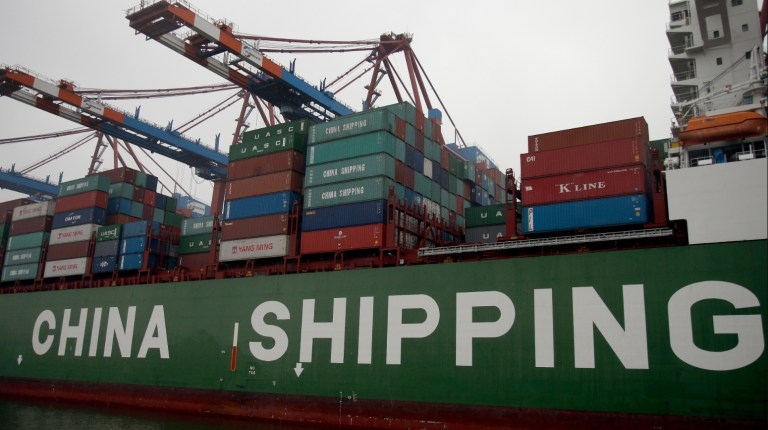
US, China Pause Port Fees for a Year Amid Trade Negotiations
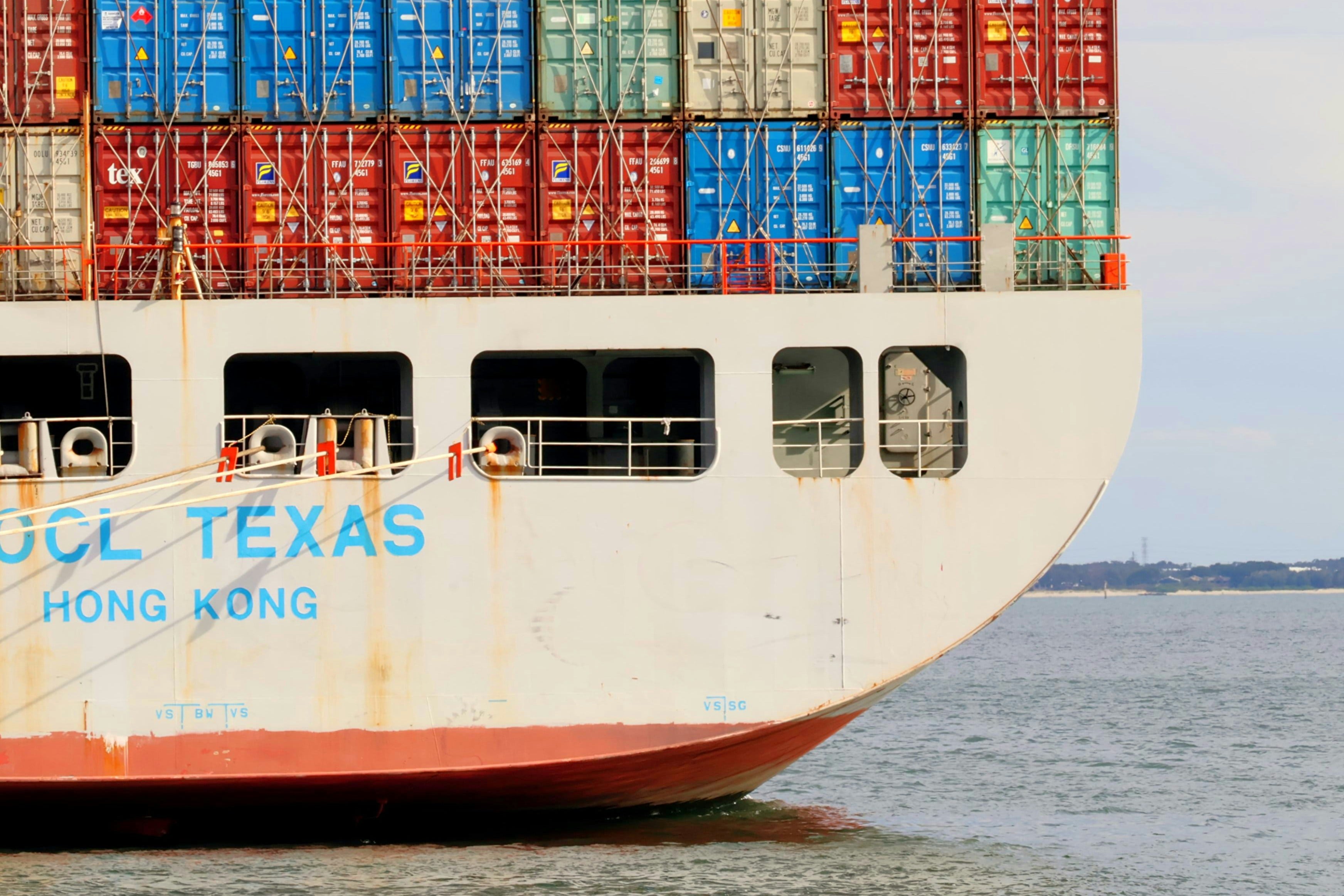
The United States and China agreed to pause reciprocal port fees for one year starting 10
November, as part of broader trade measures between the two countries. The move was met
with mixed reactions from industry and labor groups, according to the Office of the U.S. Trade
Representative (USTR).
In a statement on Sunday, the USTR said it received 73 comments during a 48-hour feedback
period that began on Thursday. Most industry players — including those in shipping, agriculture,
and manufacturing — welcomed the suspension, saying it would lower shipping costs, prevent
trade disruptions, and give both sides time to negotiate long-term solutions.
“Many noted that suspension of the action would lower shipping costs and avoid commercial
disruption, provide an opportunity for the United States to negotiate with China… and permit
additional time to find solutions to increase investment in U.S. shipbuilding,” the USTR said.
Some respondents also urged a permanent suspension of fees on LNG ships. Others supported
lifting tariffs on ship-to-shore cranes and cargo-handling equipment, citing concerns about
higher costs and harm to domestic industries.
According to the White House, the U.S. will use the one-year pause to negotiate with Beijing
over China’s dominance in the maritime, logistics, and shipbuilding sectors, while continuing its
cooperation with South Korea and Japan to boost American shipbuilding.
However, U.S. labor unions criticized the decision, saying it undermines domestic workers and
gives China an unfair advantage.
In a joint statement, the United Steelworkers, International Brotherhood of Electrical Workers,
and International Brotherhood of Boilermakers warned that suspending port fees “gives China a
free pass on its predatory behavior” and could hurt efforts to rebuild the U.S. maritime industry.
The unions were among five labor groups that filed a petition with the USTR in March 2024,
prompting the investigation into China’s shipbuilding dominance that led to the port fees
imposed by both countries in October.