Newsom Rejects Bill Limiting Air District Authority, Automation at California Ports
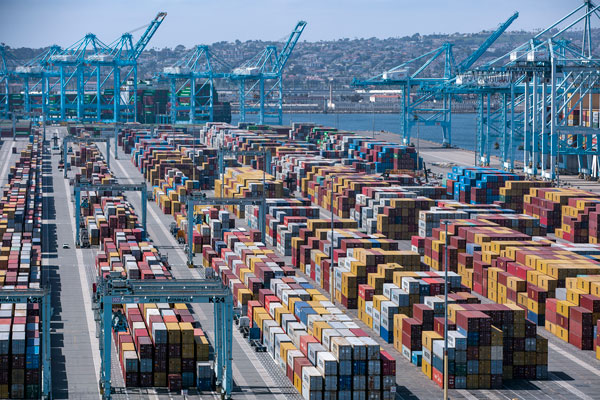
California Gov. Gavin Newsom has vetoed Senate Bill 34, a measure that would have restricted
the South Coast Air Quality Management District’s authority at the state’s ports.
The bill, rejected on Wednesday, October 15, sought to limit the agency’s ability to propose
regulations that could cap cargo throughput or cruise ship passengers at ports in Los Angeles,
Orange, Riverside, and San Bernardino counties.
SB 34 also. The bill had passed both legislative chambers before being struck down by
Newsom.
“With the current federal administration directly undermining our state and local air and climate
pollution reduction strategies, it is imperative that we maintain the tools we have and encourage
cooperative action at all levels to avoid the worst health and climate impacts,” Newsom said in
his veto message.
Terminal operators and shipping lines had warned that SB 34 would jeopardize billions of dollars
already invested in automation and threaten future efficiency projects. Mike Jacob, president of
the Pacific Merchant Shipping Association, said the bill was being presented as an
environmental measure but was actually intended to block automation that unions see as a
threat to jobs.
Industry groups also raised concerns that the bill’s vague language could impede funding for
clean-energy infrastructure, including zero-emission cargo-handling equipment and electric
truck charging stations.
The Pacific Maritime Association had earlier urged Newsom to veto the proposal, arguing it
would violate labor agreements that have allowed automation since 2008 in exchange for higher
pay and benefits.
Meanwhile, the International Longshore and Warehouse Union (ILWU) rallied its members to
support the bill, calling it essential to “protect good union jobs.” More than $2 billion has already
been invested in automation and clean-energy projects at the ports of Los Angeles and Long
Beach, where three terminals currently operate with some level of automation.