Global Shipping Groups Warn Against Compulsory Hormuz Tolls
Global shipping groups have called on the United Nations and International Maritime
Organization to uphold freedom of navigation through the Strait of Hormuz and ensure that no
compulsory tolls or charges are imposed on vessels transiting the strategic waterway.
The industry groups, which represent the container shipping, dry bulk and tanker sectors, sent
an open letter to UN Secretary-General Antonio Guterres and IMO Secretary-General Arsenio
Dominguez following reports that Iran and Oman are discussing the possibility of including
vessel tolls in future shipping arrangements for Hormuz.
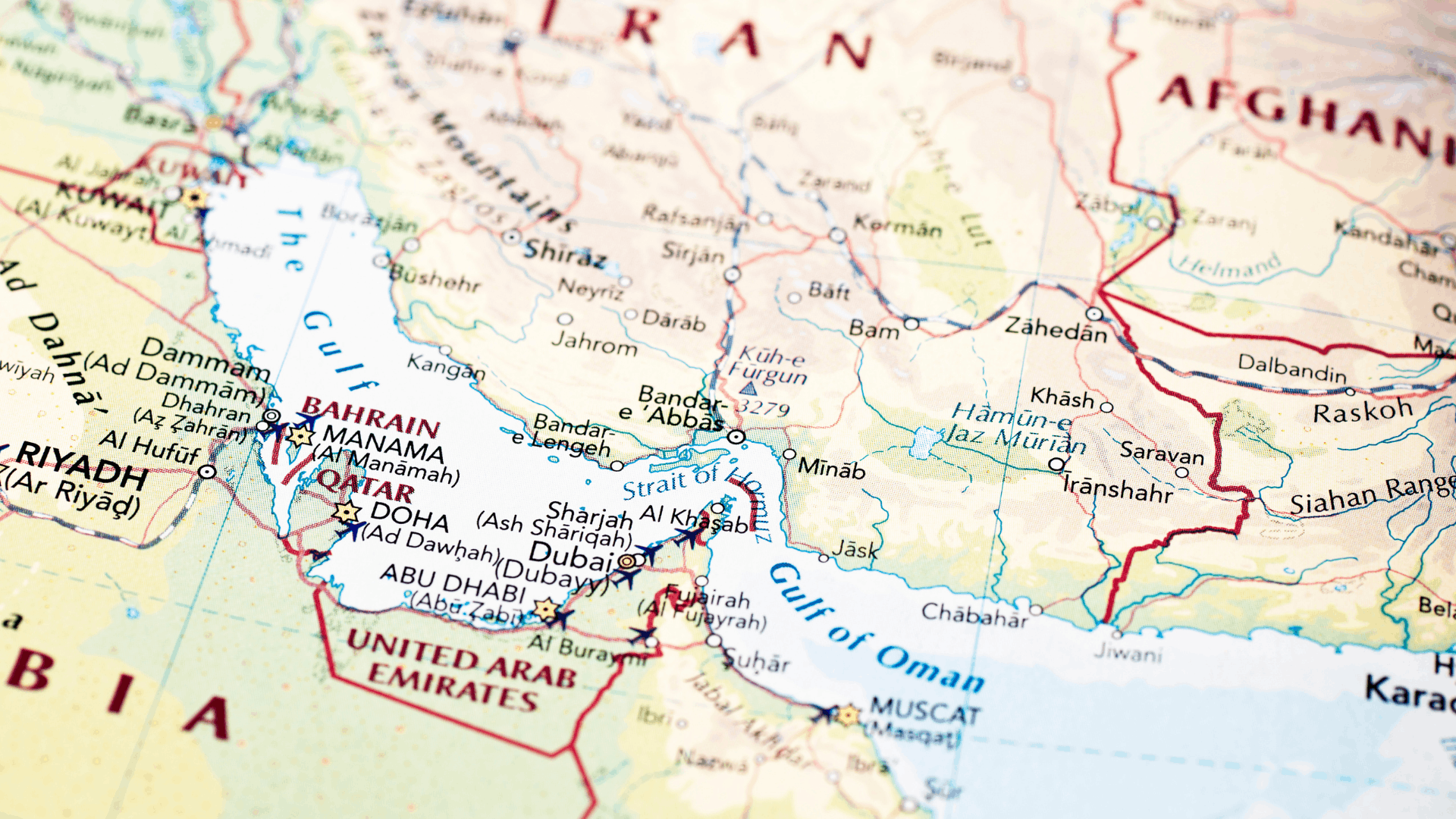
Iran and Oman are the two littoral states bordering the strait, one of the world’s most important
shipping routes.
“As discussions regarding regional security and conflict resolution take place, we must ensure
that internationally recognized rights of navigation are not compromised or used as part of
broader political negotiations,” the open letter stated.
The United Nations Convention on the Law of the Sea (UNCLOS) establishes the right of transit
passage through straits used for international navigation, including the Strait of Hormuz.
Tehran, however, has barred ships from crossing the strait amid its ongoing six-month war with
the US. Several commercial vessels have also been attacked by missiles or drones attributed to
Iran in recent weeks.
“Introducing compulsory charges for transit, or service fees that are a toll in all but name,
through the Strait of Hormuz would represent a significant departure from established
international practice,” the groups said.
The letter was signed by the World Shipping Council, International Chamber of Shipping,
BIMCO, European Shipowners, Intertanko and the International Association of Dry Cargo
Shipowners.
Beyond the “immediate financial implications for global trade,” the groups said they were
concerned that introducing transit tolls in Hormuz could establish a precedent that would make it
more difficult to resist similar measures at other strategic waterways.
“Ultimately, these impacts will carry a human cost, affecting livelihoods around the world,” the
open letter warned. “It is vital that we continue supporting the preservation of freedom of
navigation as the foundation of international maritime governance.”