Driver Shortage Tightens Drayage Capacity as Freight Market Recovers
A shrinking driver pool is tightening drayage capacity even as major US trucking companies report improving freight demand and stronger financial results.
J.B. Hunt Transport Services, Schneider National and Knight-Swift Transportation Holdings all pointed to tighter driver availability during their second-quarter earnings discussions. Schneider said industry capacity constraints are contributing to stronger pricing, while J.B. Hunt reported increased demand as shippers dealt with higher fuel costs and limited driver availability.
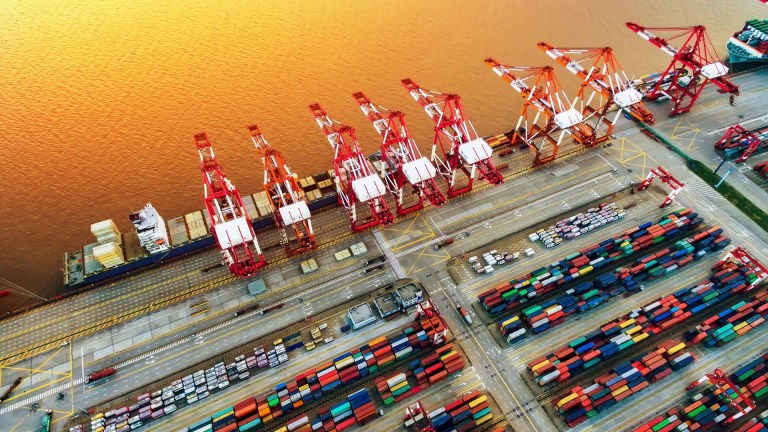
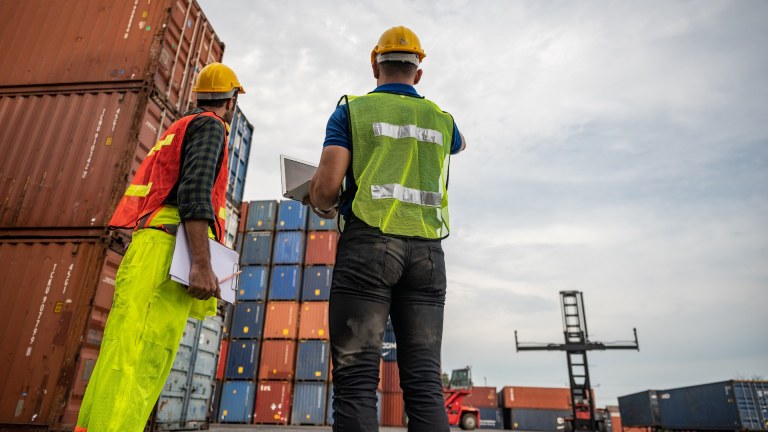
The pressure is particularly strong in drayage, the short-haul trucking that connects ports and rail terminals with warehouses and other facilities. Carriers say the shortage is making outside drayage capacity more expensive and harder to secure.
Schneider CEO Jim Filter said drayage became the company’s main constraint in intermodal during the second quarter. Schneider avoided some business that would have required costly third-party drayage because freight rates were not high enough to cover the added expense.
J.B. Hunt is relying heavily on its own drivers and equipment to limit that exposure. Intermodal President Darren Field said the company’s use of company drivers gives it an advantage as third-party drayage capacity comes under pressure.
That strategy comes as J.B. Hunt’s intermodal business expands. Intermodal volume increased 10% year over year in the second quarter, while segment revenue rose 22% to $1.75 billion. The company said constrained driver and trucking capacity helped make intermodal more attractive to customers.
Knight-Swift also has limited exposure to outside drayage. The company said during its earnings call that it outsources only a low-single-digit share of its drayage needs, helping shield its operations from tightening third-party capacity.
With freight conditions improving but drivers becoming harder to find, carriers are focusing on controlling costs, improving equipment use and keeping more drayage operations in-house rather than relying heavily on outside providers.