
Freight Market Edges Toward Recovery as Carriers Prepare for Demand
The US truckload market may finally be turning a corner after a nearly three-year slump, with
large carriers cautiously adding trucks in anticipation of a demand rebound.
The Journal of Commerce Truckload Capacity Index (TCI) climbed 1.1 percentage points to
76% in the second quarter — its first increase in 11 quarters since the freight downturn began in
mid-2022. The gain suggests growing confidence that volumes will pick up in late 2025 or early
2026.
Truckload carriers are preparing for this potential shift by slowly expanding fleets. Capacity
remains plentiful, keeping shippers in a strong bargaining position. Contract rates are holding
flat or inching up in low single digits, while small and midsized carriers continue to exit the
market.
Knight-Swift Transportation, one of the largest US truckload carriers, cut its tractor count by
6.6% year over year in the second quarter and 6.3% in the first half of 2025, but expects fleet
size to hold steady for the remainder of the year. “We’re having some discussions around doing
some peak projects,” CEO Adam Miller told analysts on July 23. “When capacity gets tight,
that’s when a carrier of our size has the ability to come in and solve large problems for our
customers.”
However, it’s the end of an era for Carroll Fulmer Logistics, a Florida-based trucking company
that operated for more than 70 years, as it shut down amid financial struggles tied to a surge in
lawsuits and the ongoing “Great Freight Recession,” described as the deepest downturn in the
freight market since March 2022, according to the Clermont Sun.
The carrier, which had 400 trucks, 1,700 trailers, and about 600 employees, will cease
operations and provide staff with 60 days’ severance pay as it winds down.
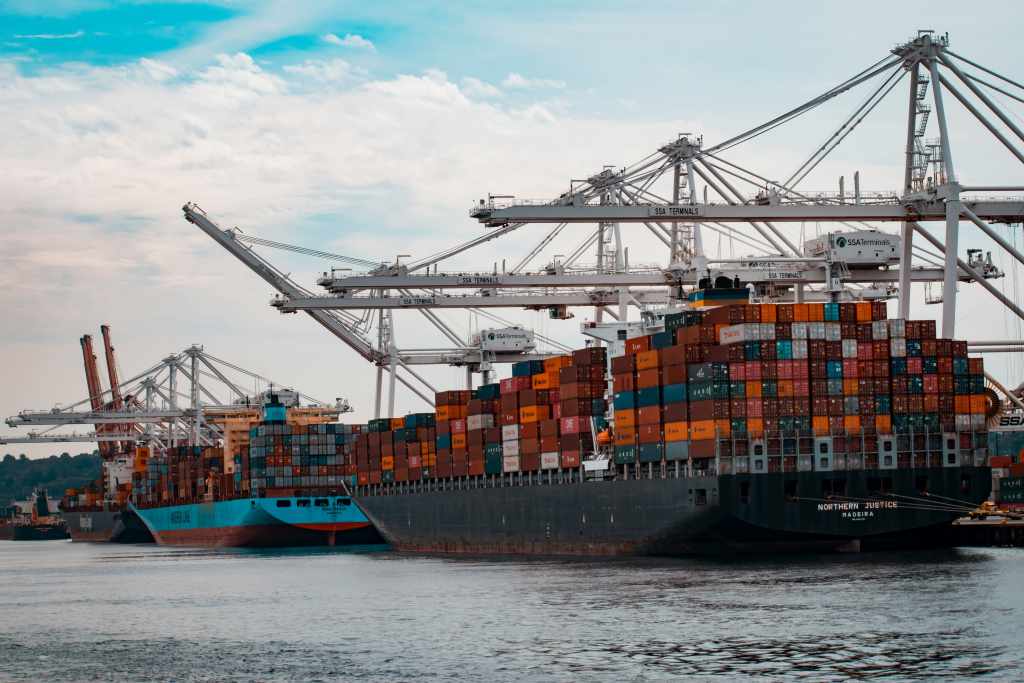
For other truckload companies, cautious optimism grows, as US import volumes hit record highs
in July. A cargo surge from southern Europe and Southeast Asia drove inbound laden volumes
to 2.609 million TEUs, up 17.5 percent year over year, according to PIERS data available on
JOC.com’s Gateway. For the first seven months of 2025, imports are up 5.4 percent compared
with the same period last year.
But the rest of the year is expected to soften. Industry analysts note that the early peak season,
driven by tariff uncertainty, is fading as cargo owners remain well-stocked and more cautious
about overordering. Higher tariffs have also begun inflating consumer prices, tempering near-
term demand.
Werner Enterprise, for instance, increased its truck count 1.4% from the first quarter and 1.1%
year over year to 7,545 trucks, though still down 12.3% from its late-2022 peak. “Our one-way
fleet size increased sequentially, driven in part from engineered pop-up solutions in response to
customer requests,” said Chairman and CEO Derek Leathers.
Shippers are reassessing their capacity needs for the second half of 2025 and into 2026,
mindful of changing US trade and tariff policies. Those expecting an economic and freight
recovery are moving early to secure space before the market tightens