Canadian gov’t steps in to end rail strike
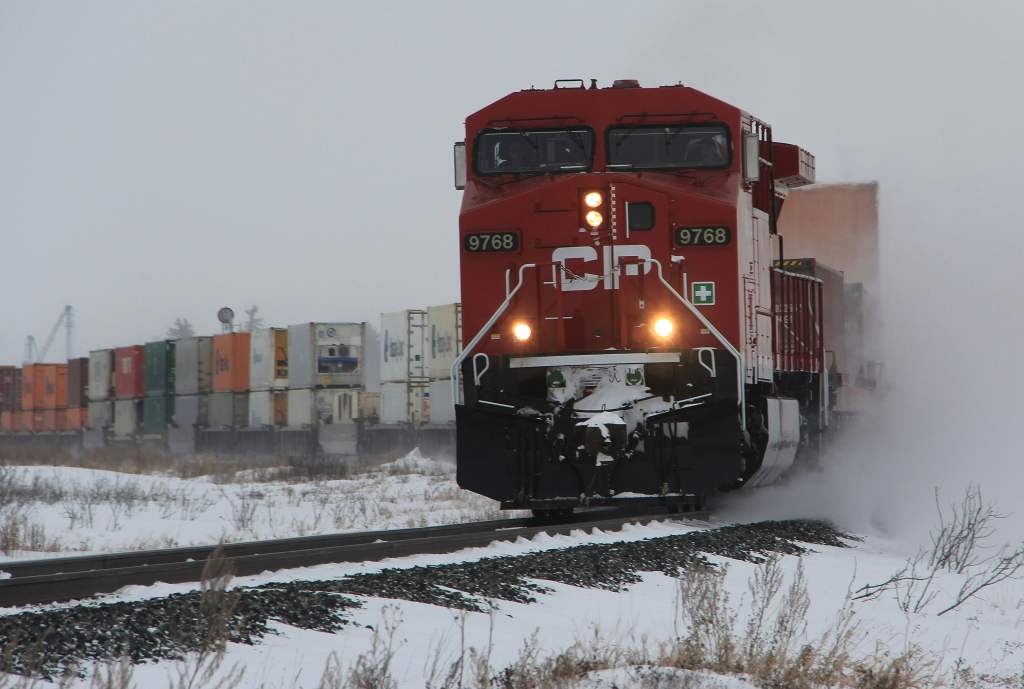
The Canadian government imposed a binding arbitration, pushing rail workers to resume
operations after a work stoppage due to failed labor dispute negotiations over a new labor
contract.
Canada determined that the economic ramifications of the rail shutdown posed a severe risk to
both the Canadian and North American markets, deeming the arbitration necessary to protect
the two countries’ economies from further harm.
Canadian National Railway (CN) and Canadian Pacific Kansas City (CPKC) work stoppage
locked out 10,000 workers within the Teamsters union, resulting in a near-total shutdown of
freight trail services across Canada for over a day.
CN and CPKC tracks stretch from the Atlantic to the Pacific and south into the United States,
transporting an estimated Can$1 billion (US$730 million) worth of goods daily.
Union representatives have voiced their dissent over the government’s move, arguing that the
best resolution should come from negotiations at the bargaining table rather than government
intervention.
“The decision sets a dangerous precedent by signaling that large companies need only to stop
their operations for a few hours, inflict short-term economic pain, and the federal government
will step in to break a union,” Paul Boucher, president of the Teamsters Canada Rail Conference
said.
However, Labor Minister Steven MacKinnon said Canada’s economy cannot wait for an
agreement “that has been delayed for a very long time and when there is a fundamental
disagreement between the parties.”
The said disputes are rooted in the workers’ concerns over extensive hours, resulting in fatigue
and dangerous working conditions.
The dispute led to nine months of fruitless negotiations, ultimately leading to the companies and
the union blaming each other for the recent work stoppage.