Port of Los Angeles Unveils Aggressive Expansion, Braces for Major Growth

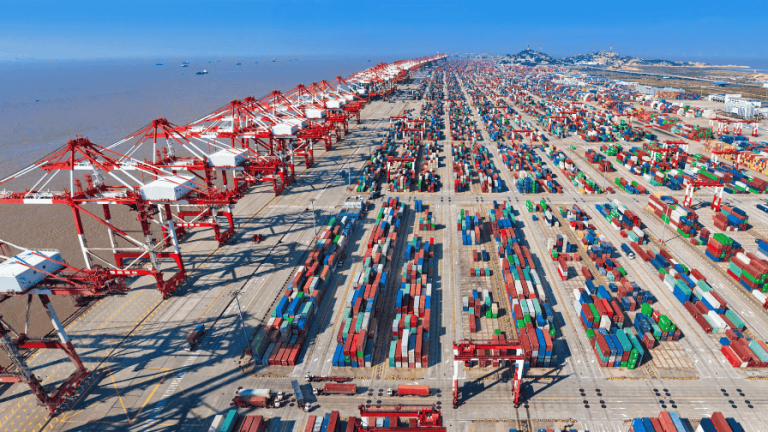
Port of Los Angeles announced plans to expand two existing container terminals and develop
an 89-acre chassis operations facility, in addition to a new 200-acre container terminal unveiled
last year.
In his annual State of the Port address last month, Executive Director Gene Seroka said that the
port must expand and modernize to remain the largest container port in the United States and
prepare for long-term cargo growth.
“In order to retain our position as the largest container port in the United States and
accommodate growth, we must build bigger and we must build smarter: bigger capacity, smarter
technology, increased sustainability,” Seroka said.
The expansion plans include development of a 40-acre site adjacent to Pier 300 and upgrades
to the LA Til Container Terminal in the West Basin. The port also plans to convert about 80
acres of underutilized land on Terminal Island into a maritime support facility for chassis parking
and maintenance, as well as container pickups and drop-offs.
Seroka said the port is in final discussions with Fenix Marine Services, operator of Pier 300, to
develop 40 acres of vacant land next to the 300-acre terminal. The proposal calls for adding a
berth and expanding terminal-related operations.
The port will soon issue an environmental impact report for the LA Til Container Terminal
project, which would upgrade the wharf and rail yard to accommodate larger container ships.
In October last year, the port released a request for proposals to assess interest in developing
the proposed Pier 500 Marine Container Terminal, a 200-acre facility to be built on landfill with
3,000 linear feet of wharf and two berths. Pier 500 would be the first new container terminal
constructed in Los Angeles in a generation, Seroka said.
Once construction begins, the project is projected to take about 10 years to complete. The
timeline is shorter than most landfill-based terminal developments because rock from other
construction projects over the past two decades has been deposited at the 124-acre site, raising
it to roughly 15 feet below the waterline.
The Los Angeles–Long Beach port complex is operating at about 60% capacity utilization, down
from more than 90% during the post-pandemic cargo surge that resulted in vessel backlogs and
terminal congestion. With container volumes projected to double by 2040, Seroka said the
expansion projects are intended to position the port to handle future growth and the next
generation of container vessels.