Ports of LA and Long Beach report substantial emission reductions
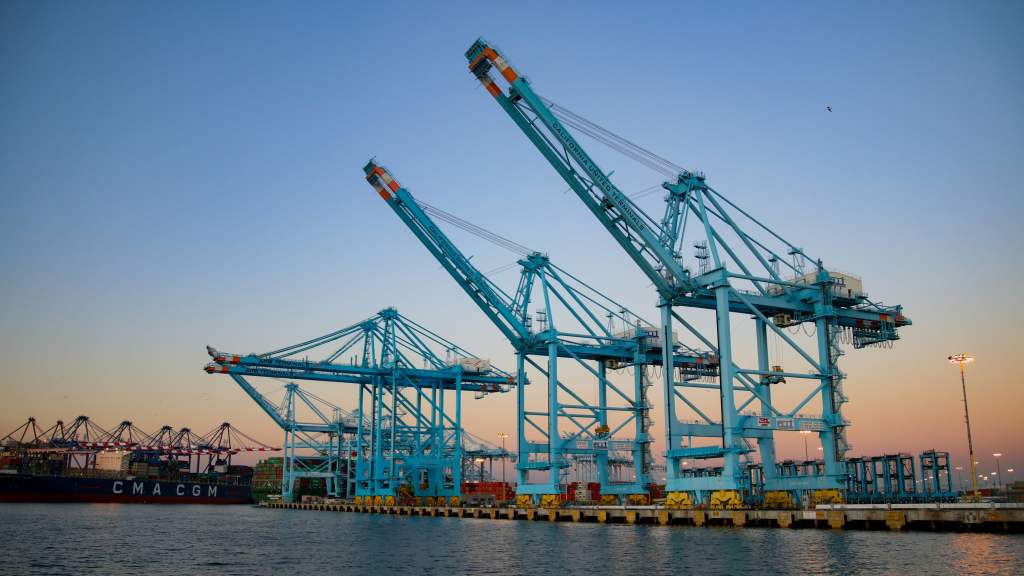
Emissions in the Ports of Los Angeles and Long Beach decreased, thanks to reduced vessel
arrivals, lower container volumes, and cleaner cargo-handling equipment from rail to drayage, a
report released in October showed.
2023 emissions inventories released last week recorded reductions of 91% in diesel particulate
matter (DPM), 72% for nitrogen oxides (NOx), 98% for sulfur oxides (SOx), and 20% for
greenhouse gas (GHG) from a 2005 baseline from the two ports.
“We are proud of the progress we have made and maintain a steadfast commitment to ensuring
our operations always use the cleanest equipment and most sustainable practices,” said Harbor
Commission President Bonnie Lowenthal.
“No other port complex in North America is as committed to improving air quality and
diminishing health risks.”
In 2006, the ports adopted their joint Clean Air Action Plan (CAAP) to reduce harmful emissions
from all port operations.
For 18 years, ocean carriers, marine terminals, truckers, railroads and harbor craft operators
have been shifting to cleaner-burning fuels, including zero-emission vehicles and cargo-
handling equipment to achieve the CAAP goals.
However, Gene Seroka, executive director of the Port of Los Angeles (POLA) said the work
needed to reduce emissions further will be even more challenging.
“To put this data in perspective, we are down to the last 9% of diesel particulate matter and the
last 2% of sulfur oxides from anything with an engine that moves cargo through our gateway,”
Seroka said in a statement on October 4.
“While what remains of these and other pollutants are the toughest to eliminate, we continue to
partner with all our stakeholders to drive emissions down to zero.”
To get there, the POLA launched its Clean Truck Program, offering incentives to put more zero-
emissions trucks in service and investing in charging and clean fueling.
This is to speed up the transition of all cargo handling equipment to zero emissions by 2030 and
all drayage trucks calling at marine terminals to zero emissions by 2035.
POLA also works closely with terminal operators, trucking companies, shipping lines, vehicle
manufacturers to test battery-electric and hydrogen-powered vehicles and equipment in
demanding, real-world conditions to develop and deploy more zero-emissions solutions.