Tentative deal ends ILA work stoppage, port backlogs clear quickly
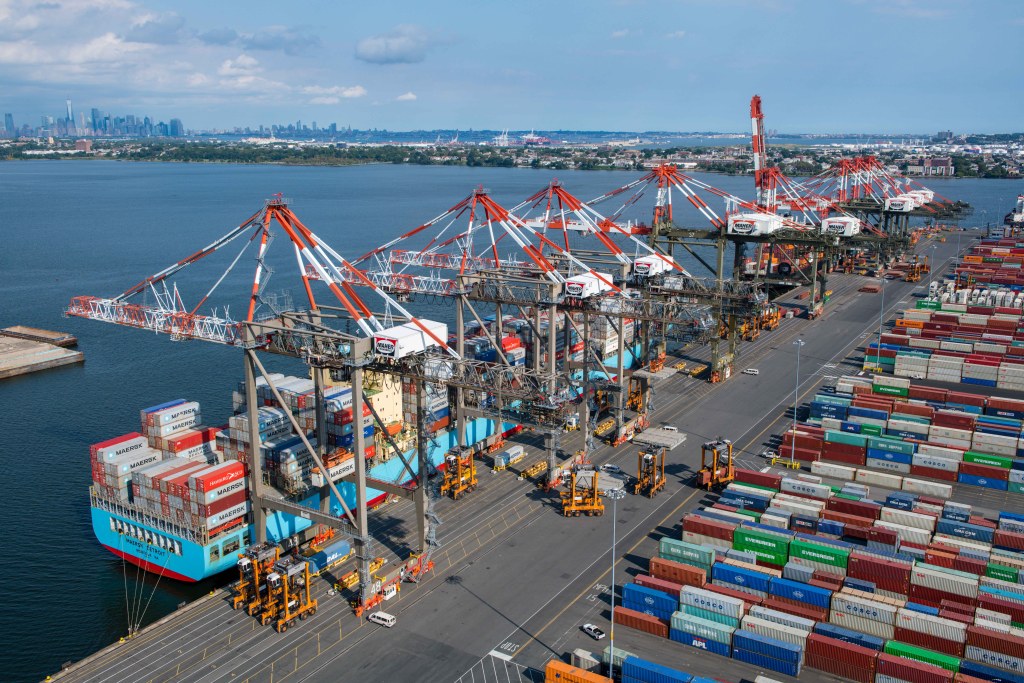
After causing a shutdown in 36 ports along the U.S. East Coast and Gulf of Mexico, members of
the International Longshoremen’s Association (ILA) suspended their work stoppage on October
3.
The ILA, which initiated the strike at midnight on October 1, reached a tentative agreement with
the United States Maritime Alliance (USMX) on wages, extending the Master Contract until
January 15, 2025.
According to multiple sources, the two parties agreed to a substantial wage increase of 62% for
workers. They will return to the bargaining table to negotiate other outstanding issues, including
the contentious topic of automation and semi-automation in the Master Contract.
Initially, the ILA had demanded a 77% wage increase and a complete ban on automation and
semi-automation, while the USMX countered with an offer of nearly a 50% pay raise.
The USMX proposal also included a tripling of employer contributions to employee retirement
plans, and enhanced healthcare options, but maintained the current language regarding
automation and semi-automation.
President Joe Biden praised the tentative agreement in a statement on the same day.
“Today’s tentative agreement on a record wage increase and an extension of the collective
bargaining process represents critical progress towards a strong contract. I congratulate the
dockworkers of the ILA, who deserve a strong contract after sacrificing so much to keep our
ports open during the pandemic,” Biden said.
“And I applaud the port operators and carriers who are members of the US Maritime Alliance for
putting a strong offer on the table.”
The Biden Administration had initially declined to invoke the Taft-Hartley Act to force the
dockworkers back to work after the strike began, remaining firm in its support for collective
bargaining despite mounting pressure from the shipping industry.
Following the strike, port leaders reported minimal disruptions in clearing the backlog of more
than 60 ships. The short duration of the strike, combined with reduced shipping volumes due to
“frontloading”—companies ordering goods in advance to avoid delays—and the diversion of
shipments away from the East Coast and Gulf of Mexico ports, meant the return to normal
operations would take days rather than weeks.
At a press conference on Friday, Bethann Rooney, Port Director for the Port Authority of New
York and New Jersey, said the port recovered quickly, comparing the work stoppage to typical
winter port closures that last two to three days.
“After a closure, we’ve been able to recover in a very quick way. I’ve never seen it take one
week for every day of closure,” Rooney said.
Ports in the southern U.S. also resolved backlogs within a few days.