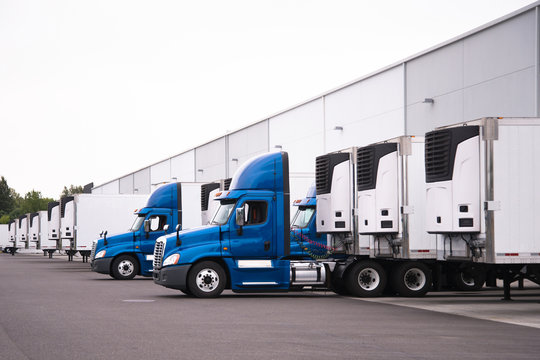
Retailers, Manufacturers Embrace Slower but Cheaper Freight Options
U.S. shippers are increasingly turning to cost-effective but slower transportation options to rein
in expenses amid persistent inflation and evolving consumer behavior. This strategic shift has
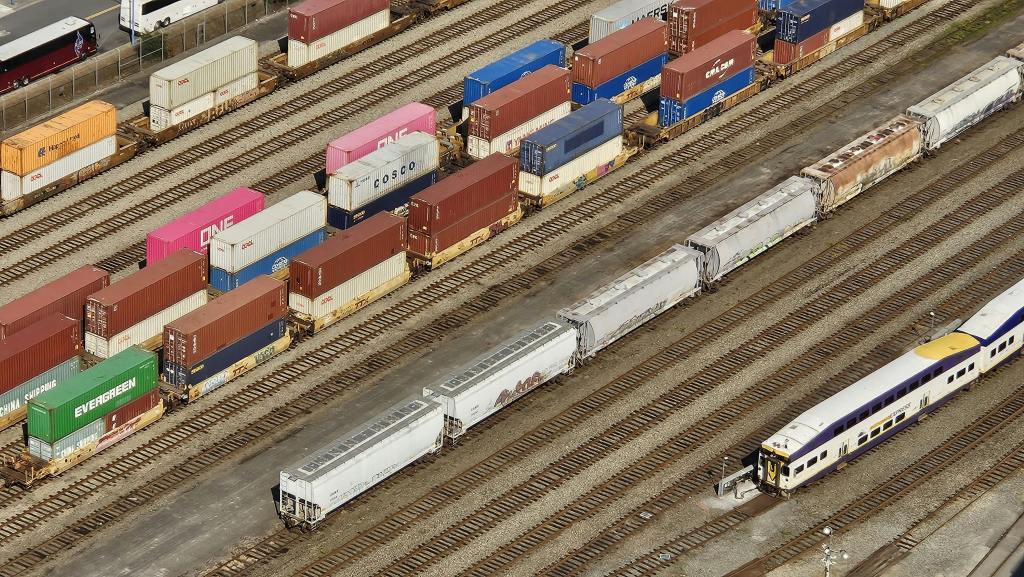
driven a notable rise in the use of intermodal rail services over traditional truckload shipping.
Data from SONAR, cited in a FreightWaves report, shows intermodal rail gaining a competitive
edge by offering lower rates than trucking. The trend is especially pronounced among retailers
and manufacturers, who are adjusting their logistics strategies to stretch their budgets.
Pulling imports forward also reduces the time sensitivity of many shipments, giving intermodal
rail another advantage. By moving goods earlier, shippers are able to treat in-transit inventory
as an extension of their supply chain strategy.
Slower shipping modes are increasingly favored, evident in the shift not only from truckload to
intermodal but also from expedited to value parcel services—a development noted by both
FedEx and UPS.
Industry experts suggest the trend could reshape the freight sector in the long run, paving the
way for more sustainable and cost-efficient logistics models. With economic pressure unlikely to
ease soon, the shift toward slower, budget-friendly options is expected to continue.