Port of LA, Ocean Carriers Back Union Pacific’s Proposed Norfolk Southern Deal
Union Pacific Railroad (UP) has secured key industry backing for its proposed $85 billion
acquisition of Norfolk Southern Railway (NS), with the Port of Los Angeles and ocean carriers
Ocean Network Express (ONE) and SM Line expressing support for the merger.
In letters included in UP’s nearly 7,000-page application filed with the U.S. Surface
Transportation Board, the three partners cited faster transit times, lower trucking costs, and
expanded export opportunities as major benefits of the deal.
“The merger has the potential to remove several days’ delay from existing transit times,” said
Tim Walsh, ONE’s senior vice president for product and network in the U.S. “The improvement
in continuity of service and transit times will enhance ONE’s ability to reliably serve customers
and expand capacity for U.S. shippers.”
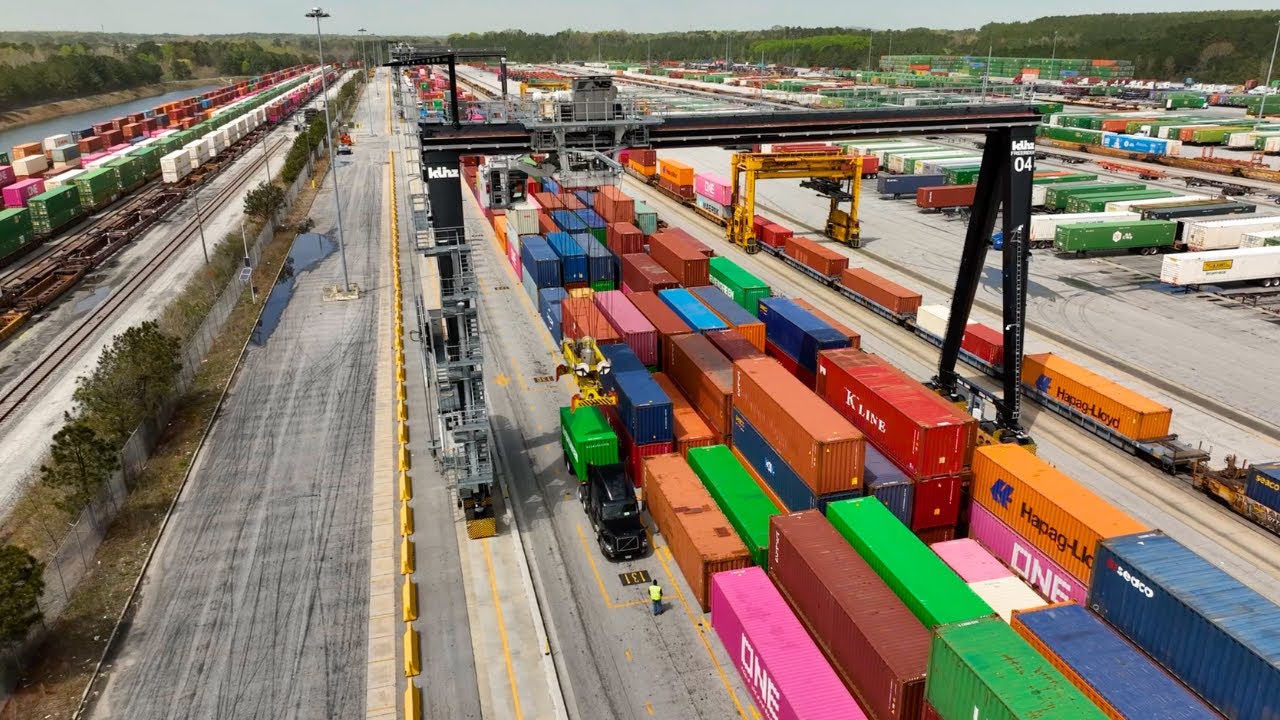
SM Line said the merger would open new intermodal options for shippers not currently using
rail, while Port of Los Angeles Executive Director Gene Seroka said the unified network would
strengthen export flows and “reinforce the port’s role in driving national economic growth.”
UP projects the merger will eliminate roughly 67,000 long-haul truck drays annually by
connecting terminals directly served by both carriers, such as routes from Chicago to Detroit
and Toledo, Ohio, and from Memphis to Huntsville, Alabama. The company estimates shippers
could save $112.8 million a year in drayage costs.
Consultants from Oliver Wyman, who analyzed the merger for UP, said the single-line network
would reduce cargo handling and lower per-shipment costs. The merger could also ease
congestion in key intermodal hubs, including Chicago, where UP and NS plan to cut more than
500 cross-town “rubber tire” transfers per day, which is about 100,000 annually.
Nationwide, UP identified 82 intermodal routes where containers currently require truck
transfers between terminals but would move entirely by rail after the merger. Drayage provider
CAD Logistics said the streamlined system would improve efficiency and help grow U.S.
intermodal volumes over the next decade.
While the merger would not eliminate all cross-town drayage, given the number of Class I
railroads operating in major hubs like Chicago, Memphis, and Kansas City, it is expected to
significantly reduce costs and improve network fluidity.