Port of Los Angeles, Long Beach confront congestion amid higher cargo traffic
Concerns persist regarding potential congestion in the Port of Los Angeles due to the
anticipated increases in cargo volumes due to the severely limited traffic brought by the
Panama Canal in the vital shipping lane.
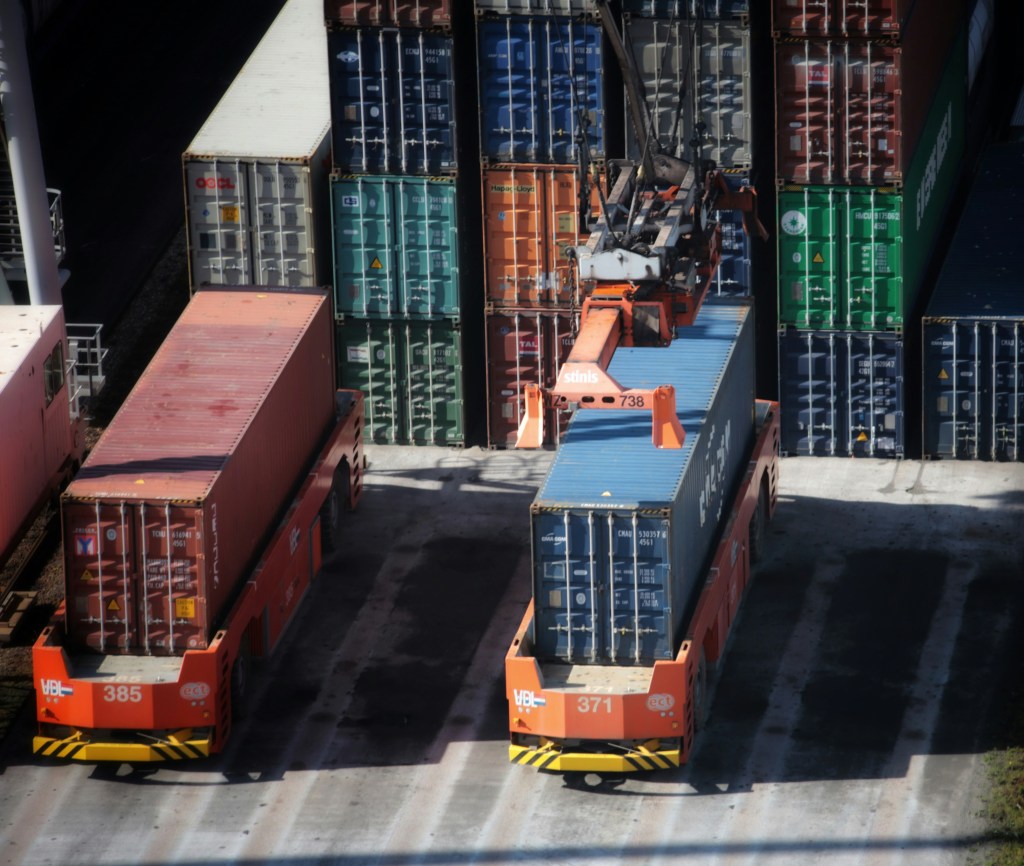
This is despite the port being proactive in addressing the congestion issues amid
handling around 1.6 million 20-foot equivalent units (TEUs) so far in 2024, a 35%
increase over the same timeframe last year.
As of March 15, the port is already experiencing longer-than-usual container dwell times
at rail transfer facilities, averaging between five and eight days, far from the usual target
of two to four days.
Co-founder and president of the global logistics platform Trade Tech Bryn Heimbeck
also pointed out that another problem lies within the current process is that the port
doesn’t know when the container’s going to leave, which hampers the planning process,
leading to a longer duration of finding a container that a trucker comes to get.
Meanwhile, the Port of Long Beach is also experiencing congestion amid a sharply
higher cargo traffic in the first half of 2024, as multiple reports show ships filling in the
shipping hub. The situation is aggravated by the continuous influx of cargo amid
ongoing supply chain challenges.
Both the Port of Los Angeles and the Port of Long Beach are focusing on strategic
initiatives to mitigate congestion moving forward as projects are currently being
implemented to enhance cargo-handling capabilities and to streamline traffic flow
through better scheduling practices.