
Global shipping crisis worsens as Houthi rebels target oil tankers
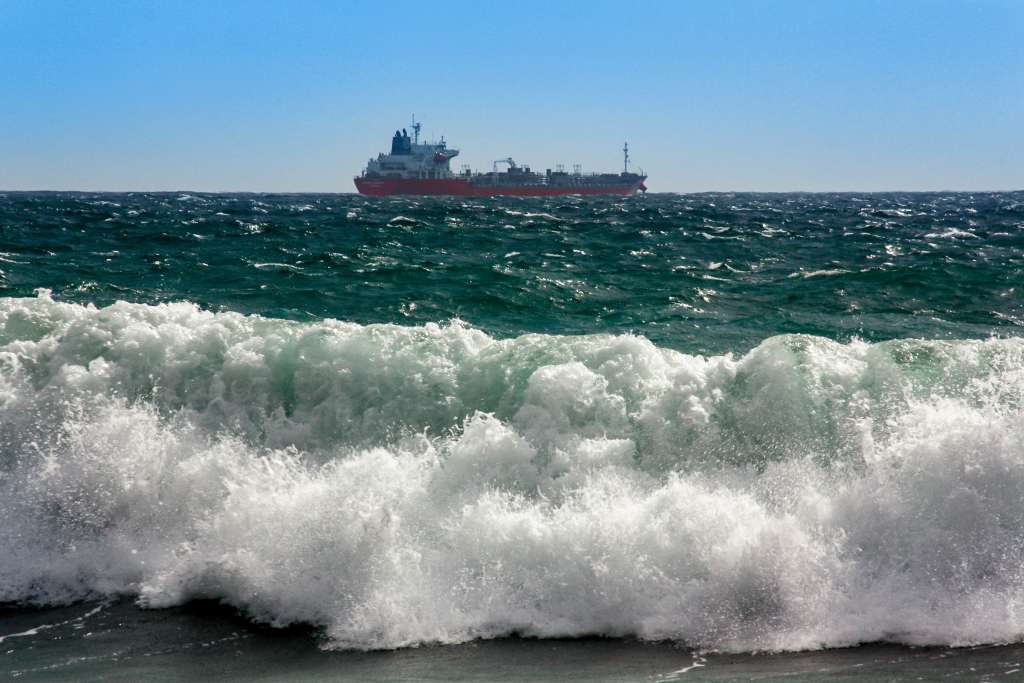
Two oil crude tankers were struck off the coast of Yemen, further disrupting global shipping and
widening the economic fallout, US Central Command reported on 2 September.
Houthi rebels claimed the attack on one of the ships flagged by Panama, as part of its campaign
against international shipping to allegedly show solidarity with Palestinian group Hamas in its
war with Israel.
Meanwhile, Bahri, a Saudi Arabian shipping company, denied on 3 September that Amjad, one
of the attacked oil tankers, “was not targeted and sustained no injuries or damage.” The ship
was reportedly carrying roughly two million barrels of crude oil.
Crews from both ships were safe in the aftermath.
The attacks came after another oil tanker carrying 150,000 metric tons of crude oil was hit off
the coast of Hodeida on 21 August last month.
Sounion, an oil tanker from Greece, was also hit by the Iran-backed rebels who said they had
booby-trapped and detonated charges on the ship. The ship’s crew, made up of 23 Filipinos and
two Russians, was rescued the day after the attack by a French frigate.
The latest series of drone and missile attacks targeting the said vessels in the Red Sea were
part of the relentless movement of the Houthi group spanning six months now, causing trade
turmoil as more vessels diverted from the area.
Sea-Intelligence, a Copenhagen-based maritime data and advisory firm, said the unpredictable
schedules of ships sailing around Africa’s Cape of Good Hope clog major Asian ports, creating
shortages of empty containers in some places, while creating pileups in others.
The data also showed a 40% increase in average minimum transit time to the Mediterranean
from Asia and by 15% in Europe due to rerouting, which led to surging freight rates and longer
delivery times to the U.S. and EU.
The imbalance within the interconnected shipping system could still last for another couple of
months if the Red Sea situation doesn’t improve, according to Rolf Habben Jansen, the chief
executive of Germany-based Hapag-Lloyd AG.
The United States and Britain have been unsuccessful in deterring the rebels despite
conducting counterattacks against Houthi targets since early this year. Meanwhile, efforts to
resolve the conflict have stalled since the Israel-Hamas war started.